What to Do When a Spider Bites Your Dog
A sudden yelp, frantic licking, and a swollen patch of skin can turn an ordinary day into a stressful one. A spider bite on dog skin may sound minor at first, but certain spider species can cause painful reactions and serious tissue damage. When we see pets at Mendocino Animal Hospital in Ukiah, CA, we often find that owners did not realize how quickly symptoms could change. Knowing what a spider bite on a dog looks like and how it affects the body helps you act quickly and confidently. This topic matters because early veterinary attention can reduce complications and discomfort. Let’s walk through what spider bites mean for dogs and what steps matter most.
How a Spider Bite on a Dog Happens
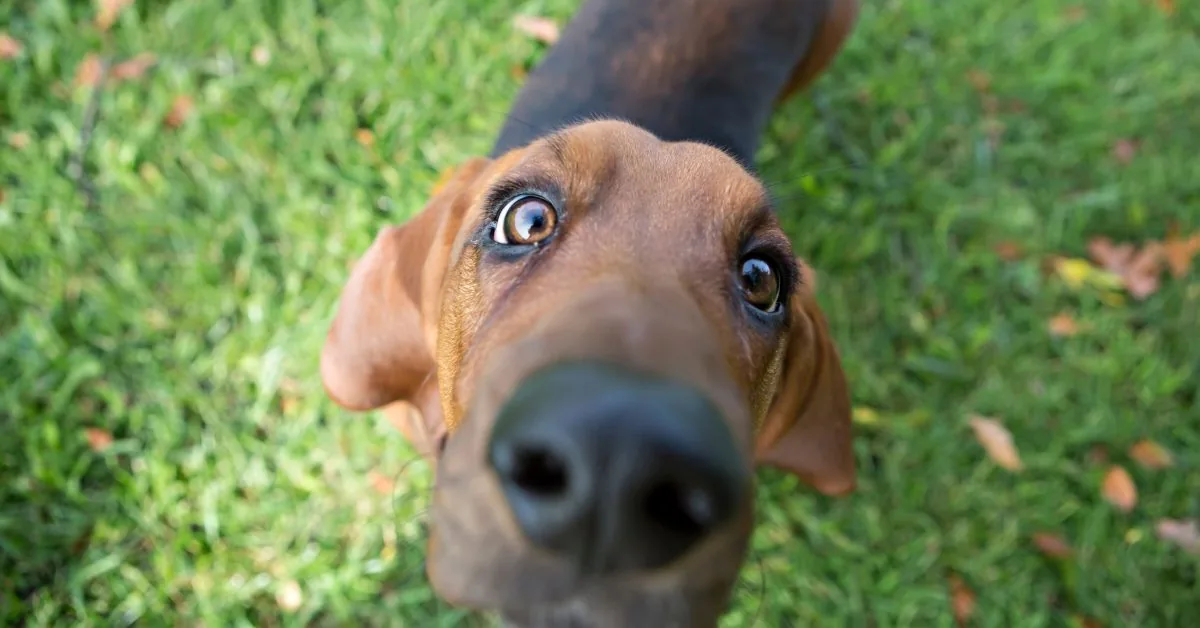
Dogs explore the world nose-first, which puts their face, legs, and paws in direct contact with insects and arachnids. A spider bite on dog skin usually occurs when a curious dog sniffs under furniture, investigates woodpiles, or disturbs dark corners in garages, sheds, or yards. Spiders bite defensively, not aggressively, so the incident often happens when a dog accidentally presses against them.
In Northern California, certain spiders such as black widows and brown recluse relatives pose higher concern because of their venom. Even non-venomous spider bites can cause inflammation, redness, and irritation. Because fur can hide early changes, owners may not notice a spider bite on a dog until swelling or pain becomes obvious. This delay can make symptoms seem to appear suddenly.
Where Bites Commonly Appear
Spiders tend to bite areas with less fur or where a dog makes direct contact with surfaces. The muzzle, lips, paws, belly, and inner legs are common locations for a spider bite on dog patients we examine. These areas also have thinner skin, which can allow venom to affect tissues more easily. Facial bites often cause visible swelling that alarms owners quickly. Paw bites may show up as limping, licking, or reluctance to bear weight. Because dogs cannot tell us what happened, behavior changes often provide the first clue. Careful observation of these high-contact zones helps you notice a problem sooner.
Signs That a Spider Bite on a Dog Needs Veterinary Attention
A mild insect bite and a spider bite on dog skin can look similar at first glance, which makes it important to watch for progression. Some reactions remain localized, while others spread or worsen over hours. Pain often becomes more noticeable than itching with venomous spider bites. Swelling may feel firm or warm, and the skin can change color. Systemic signs can develop if venom affects more than the surface tissues. Rapid changes always justify a veterinary call.
Local Skin Changes
We often see redness, swelling, and tenderness at the bite site. A small puncture may not be visible, especially under thick fur. In more serious cases, the center of the bite can become pale, dark, or blistered as tissue damage develops. Skin around the area may feel tight, and dogs may react when touched. Oozing, scabbing, or an expanding wound raises concern for deeper injury. These patterns help us differentiate a spider bite on dog patients from other skin conditions.
Whole-Body Symptoms
Some spider venoms affect nerves and muscles, not just skin. Dogs may appear restless, painful, or unusually quiet. Vomiting, drooling, tremors, or weakness can occur with certain species. Fever or rapid breathing signals that the body is reacting strongly. These signs show that the issue goes beyond a simple surface irritation. Immediate veterinary evaluation becomes essential when you notice these changes.
Why Certain Spider Bites Are More Serious
Not every spider bite on dog skin leads to complications, but some species carry higher medical risk. Black widow spiders produce a neurotoxic venom that affects the nervous system. Brown recluse–type spiders carry venom that can damage tissue at the bite site. Dogs do not react exactly like people, but the potential for pain and tissue injury remains. The severity depends on venom amount, bite location, and a dog’s size and health. Puppies, senior dogs, and pets with existing medical conditions may have a harder time coping with venom effects. That is why we treat suspected venomous bites as urgent concerns.
Black Widow Concerns
Black widow bites may not look dramatic on the skin at first. Pain, muscle stiffness, and trembling can appear before major swelling develops. Dogs may pant, pace, or seem uncomfortable without a clear cause. Abdominal pain sometimes mimics other emergencies. These neurologic effects come from the venom’s action on nerve endings. Quick veterinary care helps manage pain and monitor vital functions.
Brown Recluse–Type Concerns
Brown recluse–type bites tend to cause more visible skin damage. The bite site can start as a small red area and then develop into a larger wound over time. Tissue breakdown may lead to an open sore that requires medical care. Pain can be significant even when the surface wound looks small. Secondary infection becomes a risk as the skin barrier breaks down. Early assessment allows us to limit complications and plan proper wound management.
How Veterinarians Evaluate a Spider Bite on a Dog
When you bring your pet to Mendocino Animal Hospital, we start with a thorough physical exam. We look closely at the skin lesion, check vital signs, and ask about recent activities and environments. Information about garages, sheds, hiking areas, or recent pest sightings helps us understand exposure risk. We assess pain level, swelling pattern, and any signs that the nervous system or internal organs are involved. Diagnostic tests may be recommended if symptoms suggest more than a localized reaction. Our goal is to determine how deeply the spider bite on dog tissue has affected the body.
Monitoring and Support
Some cases require observation to watch how symptoms evolve. Swelling and skin changes can progress over several hours. We monitor temperature, heart rate, and breathing to catch early signs of systemic involvement. Pain control and supportive care help dogs stay comfortable while their bodies respond to the venom. If tissue damage is present, we address the wound carefully to promote healing. Each case receives a plan tailored to that dog’s condition.
When to Call Your Ukiah Veterinarian Right Away
Timing matters with a suspected spider bite on dog patients. Sudden swelling of the face or throat, difficulty breathing, collapse, tremors, or severe pain signals an emergency. Rapidly enlarging wounds or darkening skin also need prompt evaluation. Even if signs seem mild at first, progression within hours justifies a call. You know your dog’s normal behavior better than anyone, so trust changes that feel out of character. Early communication allows us to guide next steps and prepare for your arrival if needed. Call Mendocino Animal Hospital at (707) 462-8833 whenever you suspect a spider bite on your dog.
Reducing Future Risk Around Your Home
While dogs cannot avoid every hazard, you can lower the chances of another spider bite on dog skin by managing their environment. Spiders prefer dark, undisturbed spaces. Keeping storage areas organized and reducing clutter limits hiding spots. Regular cleaning of garages, sheds, and porches helps disrupt webs and nests. Outdoor lighting can attract insects, which in turn attract spiders, so positioning lights away from entry points may help. Supervising dogs during yard exploration adds another layer of protection. These steps support overall household safety for pets.
Local Veterinary Care Makes a Difference
Spider bites can range from mild irritations to serious medical issues. Fast recognition and professional evaluation give dogs the best chance for a smooth recovery. Our team in Ukiah understands the local environment and the types of spiders pets may encounter in Mendocino County. We focus on prompt assessment, pain management, and close monitoring when a spider bite on dog skin raises concern. Acting quickly helps prevent complications and reduces discomfort. If your dog shows signs of a possible spider bite, contact Mendocino Animal Hospital at (707) 462-8833 so we can help right away.
Recent Posts

Toxic Algae Blooms & Dogs in California
A calm lake on a warm California afternoon can look inviting, but the water’s surface sometimes hides…
Are Slugs Poisonous to Dogs?
A damp morning walk, a backyard sniff session after rain, or a curious nose poking through garden…
Dog Hiking Trails near Ukiah, CA
The best dog hiking trails near Ukiah give people and their dogs space to move, explore, and…
Bringing Your Dog to Mendocino National Forest
The morning air feels cooler as the trees thin and the mountains open up ahead of you….

First Signs of Lyme Disease in Dogs
A quiet hike through tall grass or a romp along a wooded trail can feel like the…
About Mendocino Animal Hospital
At Mendocino Animal Hospital, we believe in fostering the human-animal bond with excellent veterinary medicine. Our full-service veterinary practice operates in Ukiah, CA with a team of skilled veterinarians and a passionate, talented support staff who make you feel like a part of the family.
As an AAHA-accredited animal hospital, every service and aspect of our practice meets AAHA’s Standards of Excellence. No matter what your pet comes in for, they’ll receive only the best in care, compassion, and service.