TPLO Surgery in Dogs
TPLO surgery in dogs treats an unstable knee caused by a torn cranial cruciate ligament, or CCL. The procedure changes the angle of the shin bone so the knee can remain stable during weight-bearing without depending on the damaged ligament.
A CCL injury can cause limping, reduced weight-bearing, or difficulty rising. Some tears develop gradually, while others become obvious after activity. Mendocino Animal Hospital in Ukiah, CA, offers TPLO surgery for dogs with cranial cruciate ligament injuries, helping local patients access advanced orthopedic care closer to home.

What Is TPLO Surgery for Dogs?
Tibial plateau leveling osteotomy, commonly called TPLO, changes the mechanics of the canine knee. In a healthy joint, the CCL helps stop the tibia from sliding forward relative to the femur. When the ligament tears, the knee becomes unstable, causing pain, inflammation, abnormal movement, and progressive arthritis. TPLO reduces that sliding motion by rotating the top portion of the tibia and securing it with a surgical plate and screws.
Unlike a procedure that attempts to replace the torn ligament, TPLO allows the knee to function without relying on it. The surgeon creates a curved cut in the tibia, rotates the tibial plateau to a calculated angle, and stabilizes the bone while it heals. This approach can provide reliable stability for many dogs, although a veterinarian must evaluate each patient individually.
Why Do Dogs Develop CCL Injuries?
Many canine CCL injuries result from gradual ligament degeneration rather than one dramatic accident. The fibers can weaken until a partial or complete tear causes noticeable limping. Body structure, excess weight, activity level, age, and individual joint mechanics may affect risk. A dog with an injury in one knee may also face a future injury in the opposite knee.
Common signs include:
- Sudden or intermittent rear-leg limping
- Difficulty rising, climbing stairs, or jumping
- Sitting with the affected leg extended
- Reduced interest in walks or play
- Swelling or thickening around the knee
- A clicking sound that may suggest meniscal damage
These signs can overlap with hip, spine, muscle, or other joint problems. A veterinary examination helps identify the source of lameness and determine whether the knee has become unstable.
How Do Veterinarians Diagnose a Torn CCL?
A veterinarian reviews when the limping began, whether it improved with rest, and how it affects daily movement. During the orthopedic examination, the veterinarian checks the knee for swelling, discomfort, reduced motion, and abnormal movement between the femur and tibia. Some dogs tense their muscles during the examination, so the veterinary team may need additional techniques to assess the joint accurately.
X-rays do not show the ligament itself, but they can reveal joint swelling, arthritis, bone changes, and the tibial plateau angle. They also help the surgical team plan the procedure and rule out other causes of lameness. Before surgery, the team may recommend laboratory testing and other evaluations based on the dog’s age, health history, and anesthetic needs.
Is TPLO the Right Choice for Every Dog?
TPLO can benefit many dogs with complete or functionally significant CCL tears, particularly active dogs and larger patients. However, size alone does not determine the best treatment. The veterinary team considers instability, meniscal injury, arthritis, body condition, activity goals, age, other orthopedic conditions, and the family’s ability to manage recovery.
Some dogs may qualify for a different surgical approach or nonsurgical management. A veterinarian can explain the benefits and limitations of each option after examining the knee. Timely evaluation matters even when a dog still places some weight on the leg.
What Happens During TPLO Surgery?
The surgical team uses measurements from the dog’s imaging to plan the correction. After preparing the patient and knee, the surgeon examines the joint and addresses damaged tissue when needed. The surgeon then cuts and rotates the tibial plateau before applying a plate and screws to hold the bone during healing. Mendocino Animal Hospital provides orthopedic procedures that include TPLO, fracture repair, and patellar luxation correction.
The main steps generally include:
- Evaluating the knee joint and meniscus
- Making a precise curved cut in the upper tibia
- Rotating the tibial plateau
- Securing the bone with a plate and screws
- Closing the incision and monitoring recovery
- Creating a discharge and recheck plan
All surgery carries risk. Potential TPLO complications can include infection, delayed bone healing, implant problems, meniscal injury, persistent lameness, or injury related to excessive activity. Careful planning, monitoring, and adherence to postoperative instructions help reduce avoidable problems.
TPLO Surgery Recovery
Recovery requires patience because the tibia must heal around the surgical cut. Many dogs begin using the leg relatively soon, but early weight-bearing does not mean the bone has fully healed. Running, jumping, rough play, slippery floors, and unrestricted stairs can place too much force on the repair. The veterinary team will set restrictions based on the dog’s progress.
What Should You Expect After Surgery?
During the first phase, owners focus on incision protection, controlled movement, and close observation. Dogs should go outside on a leash and remain in a secure area when unsupervised. The incision should stay clean and dry, and the dog should not lick or chew it. Contact the hospital if you notice increasing redness, discharge, an opening in the incision, marked swelling, worsening pain, sudden loss of leg use, or changes in appetite and behavior.
Follow-up visits allow the veterinary team to assess the incision, comfort, gait, and bone healing. Repeat x-rays may help determine when the repair can tolerate increased activity. The team may gradually introduce longer leash walks and rehabilitation exercises after confirming appropriate progress. Full return to unrestricted activity often takes several months, and recovery times vary.
How Can Owners Support a Safer Recovery?
A calm, controlled environment protects the repair during healing. Use rugs or traction mats on slick flooring, block access to furniture, and prevent unsupervised stair use. Keep every household member consistent with restrictions, even when the dog appears eager to do more. Attend each recheck so the veterinary team can identify concerns early.
Rehabilitation may support strength, flexibility, balance, and a gradual return to normal movement. The veterinarian will determine when to begin activities and how quickly to progress. Increasing exercise too soon can delay recovery, while appropriate controlled movement can reduce stiffness and muscle loss.
What Is the Outlook After TPLO Surgery?
Many dogs regain comfortable, functional use of the leg after TPLO surgery. The procedure stabilizes the knee, but it does not erase arthritis that developed before surgery or guarantee that arthritis will never progress. Maintaining a healthy body condition, following rehabilitation guidance, and continuing veterinary monitoring can support long-term mobility.
Call Mendocino Animal Hospital at (707) 462-8833 or book an appointment online if your dog has rear-leg lameness or a CCL injury diagnosis. The veterinary team can evaluate the knee, discuss whether TPLO surgery for dogs fits your pet’s needs, and explain what to expect before, during, and after the procedure.
Recent Posts
Umbilical Hernia in Dogs
A small bump on a puppy’s belly can be easy to overlook, especially when the puppy seems…
Why Is My Cat Limping?
Why is my cat limping? A cat limping usually indicates they experience sudden trauma, a paw injury,…
Dog Cyst vs. Tumor: What Is the Difference?
What’s the difference between a dog cyst and a tumor? A cyst is usually a sac filled…
How Often Should You Brush Your Dog’s Teeth?
You should ideally brush your dog’s teeth once every single day to effectively remove plaque before it…
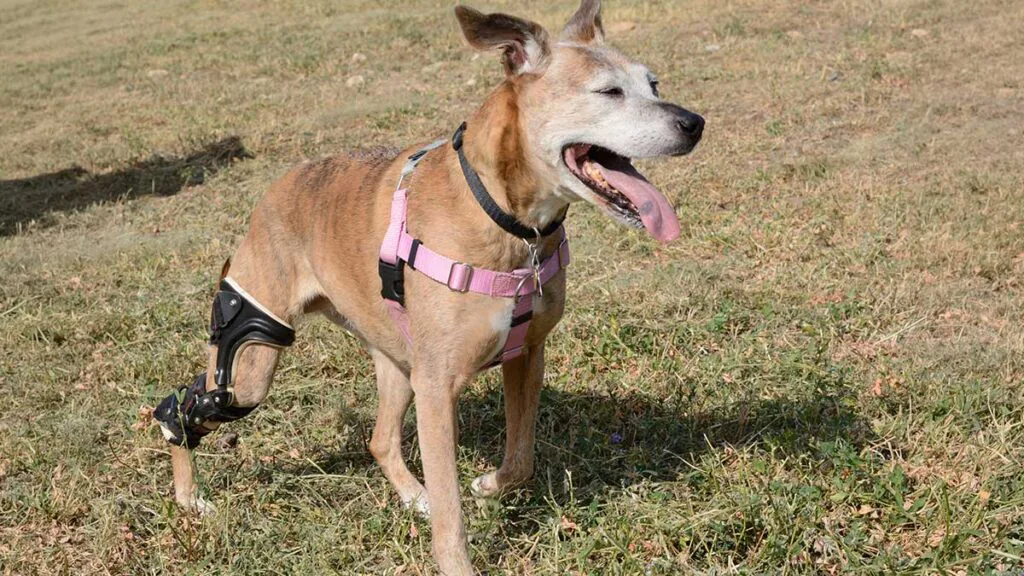
Dog ACL Tear vs Sprain
A dog races across the yard, turns sharply, and suddenly lifts a back leg. Another begins limping…
About Mendocino Animal Hospital
At Mendocino Animal Hospital, we believe in fostering the human-animal bond with excellent veterinary medicine. Our full-service veterinary practice operates in Ukiah, CA with a team of skilled veterinarians and a passionate, talented support staff who make you feel like a part of the family.
As an AAHA-accredited animal hospital, every service and aspect of our practice meets AAHA’s Standards of Excellence. No matter what your pet comes in for, they’ll receive only the best in care, compassion, and service.